
8 Fun Facts About Porcelain Floor Tiles
Porcelain floor tiles have long been celebrated for their beauty, durability, and versatility. These tiles are more than just a surface covering; they serve as a statement of style and functionality in both residential and commercial settings. With a rich history spanning centuries, porcelain tiles continue to evolve, blending traditional craftsmanship with modern technology. From their historical roots to contemporary applications, we explore why floor tiles remain a reliable and elegant choice for every space.
1. Explore the Historical Origins of Porcelain Floor Tiles
Porcelain floor tiles trace their origins back over a thousand years to ancient China. Initially considered a luxury item, porcelain was reserved for the homes of emperors and elite society. Its strength and refined appearance made it an ideal material for creating durable and visually striking tiles. Ancient artisans developed intricate designs featuring cultural motifs, spiritual symbols, and geometric patterns, setting the standard for tile artistry. The skill and attention to detail in these early works laid the foundation for tile production techniques that persist today.
The influence of Chinese porcelain spread to Europe by the late Middle Ages, inspiring local craftsmen to experiment with the material. During the Italian Renaissance, tiles became integral to the decorative schemes of grand villas and palaces, while northern Europe emphasized practical designs that balanced form and function. This cross-cultural exchange led to the development of distinctive regional styles and advanced kiln technologies that enhanced both durability and aesthetic appeal. Over time, porcelain tiles became staples in palaces, places of worship, and significant architectural landmarks, appreciated for their ability to withstand high traffic and maintain beauty over decades.
2. Examine the Composition and Production Processes
Porcelain floor tiles are crafted from a precise mixture of feldspar, kaolin, and clay, selected for their structural properties and ability to endure high temperatures. This blend is carefully formed into dense tiles, which undergo a rigorous high-temperature firing process exceeding 1200 degrees Celsius. This stage solidifies the tiles, providing exceptional hardness and resistance to wear. High-temperature firing also triggers vitrification, making the tiles impervious to water and stains. According to The Spruce, porcelain tiles are not waterproof, but they are considered to be impervious to water, absorbing no more than 0.5% of their weight after boiling and prolonged soaking, highlighting their suitability for moisture-prone areas.
Technological advancements continue to refine porcelain production, introducing digital printing and high-definition finishes that mimic natural materials like stone, marble, and wood. These innovations expand the design possibilities, allowing tiles to achieve the aesthetics of luxury materials without compromising durability or requiring intensive maintenance. Sustainable practices, including waste reduction and recycling, are also increasingly integrated into production, reflecting the industry’s commitment to environmental responsibility. The combination of advanced techniques and eco-conscious manufacturing makes modern porcelain tiles a versatile and forward-thinking flooring option.
3. Discover Versatility in Design and Style
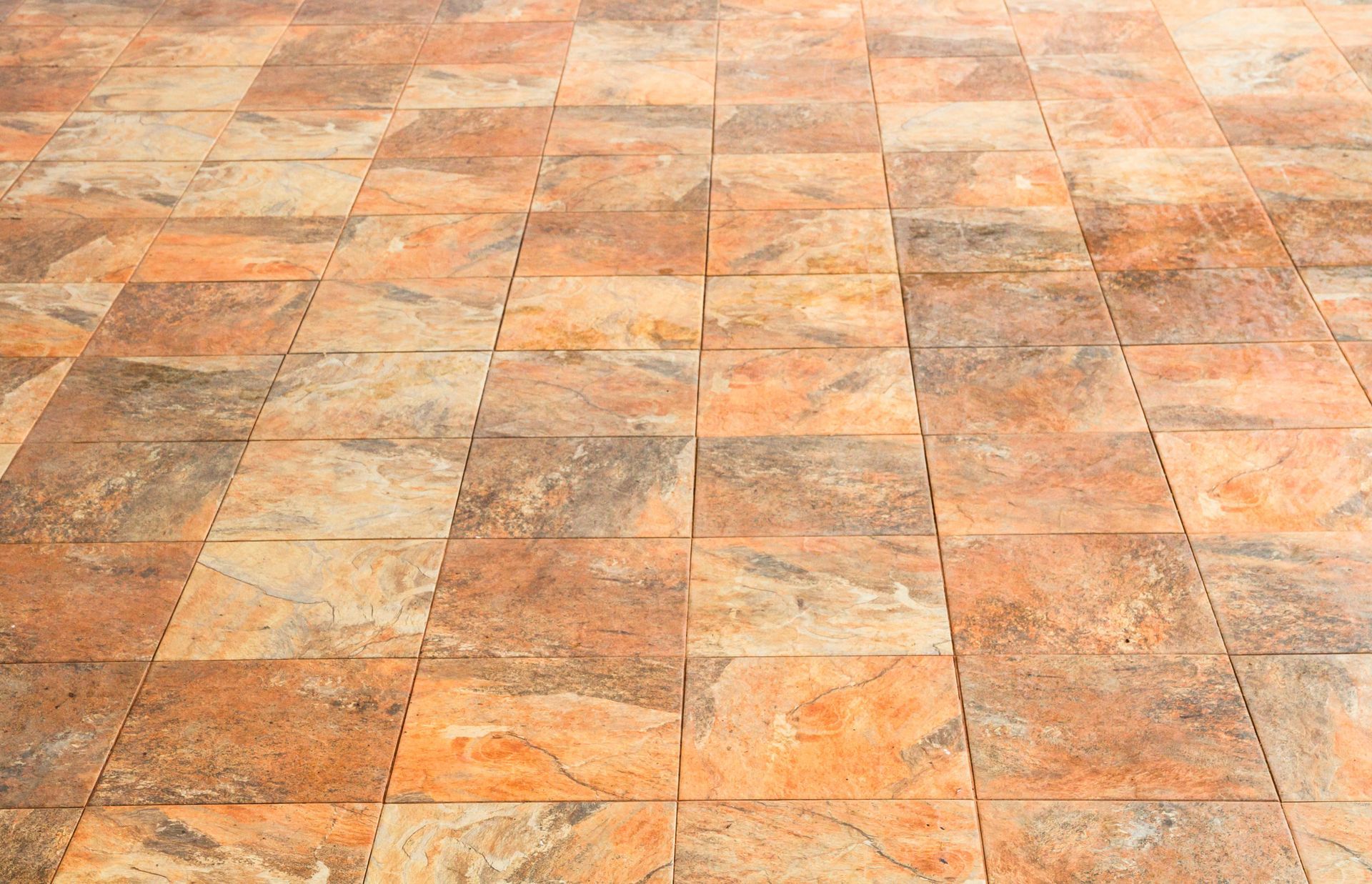
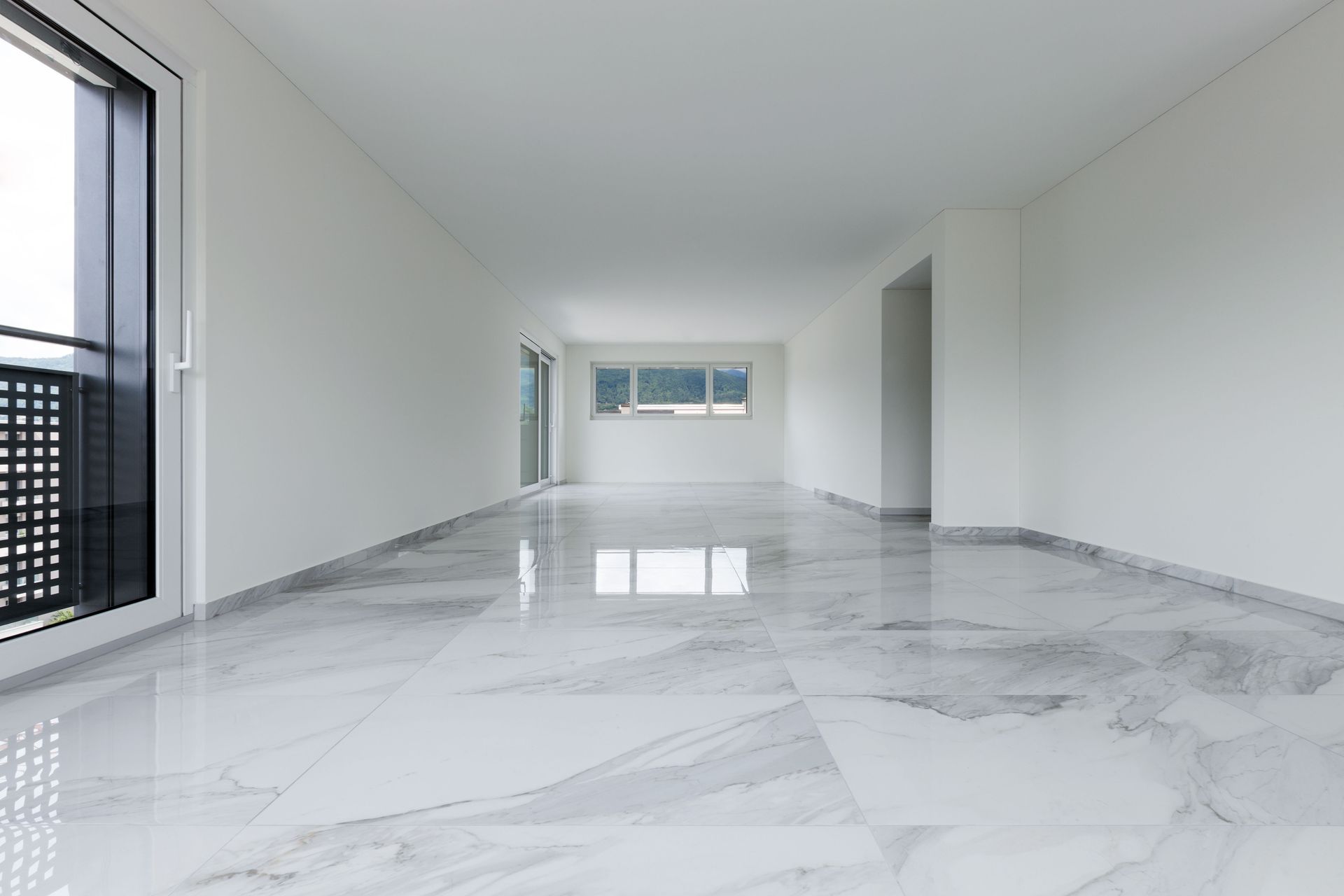
One of the defining qualities of porcelain tiles is their remarkable versatility. They come in a broad spectrum of colors, patterns, and textures, allowing customization to match any interior design vision. From sleek, contemporary finishes to rustic or classical styles, porcelain adapts to various themes seamlessly. The tiles can convincingly replicate natural materials, offering the visual appeal of wood, marble, or stone without the accompanying upkeep or fragility. This ability to mimic luxury materials provides homeowners and businesses with an aesthetic advantage while maintaining practical performance.
Porcelain tiles also allow for bespoke design elements through digital printing technologies. Custom murals, accent walls, and intricate patterns can be created to suit individual tastes or corporate branding needs. Whether used for indoor fireplaces, backsplashes, or outdoor patios, the adaptability of these tiles enables creative freedom without compromising functionality. With this combination of style flexibility and practical resilience, porcelain remains a go-to choice for spaces seeking a balance of beauty and durability.
4. Highlight Durability and Maintenance Benefits
The durability of porcelain tiles is unmatched, making them ideal for high-traffic areas in homes, offices, and commercial venues. Their dense composition and high-temperature firing process create a surface resistant to scratches, chips, and heavy impacts. Porcelain tiles maintain their visual integrity even in spaces that experience constant foot traffic, from busy kitchens to bustling lobbies. This resilience ensures that spaces not only look polished but also retain functionality for decades, providing long-term value.
Maintenance of porcelain tiles is simple and efficient. The non-porous surface prevents moisture and dirt from seeping into the tiles, reducing the need for harsh cleaning chemicals. Routine sweeping and damp mopping are sufficient to keep the surface pristine, while the tiles resist discoloration and staining. Compared to hardwood, laminate, or natural stone, porcelain offers superior longevity with minimal upkeep.
5. Evaluate Cost and Value Considerations
While porcelain floor tiles may initially seem like a larger investment, their long-term value is substantial. Their durability reduces the frequency of repairs or replacements, offsetting the upfront expense. Additionally, properties featuring porcelain tiles often see an increase in market value, adding a financial incentive beyond aesthetic appeal. For both homeowners and commercial property owners, investing in porcelain represents a strategic balance between quality, functionality, and resale potential.
Pricing is influenced by several factors, including tile size, thickness, finish, and design complexity. High-end tiles with unique patterns or polished finishes generally cost more than standard options. Installation complexity, such as custom layouts or intricate patterns, can also affect overall costs. Despite these variables, the long-term durability, minimal maintenance, and design flexibility make porcelain a cost-effective flooring solution.
6. Apply Porcelain Floor Tiles in Home and Commercial Spaces
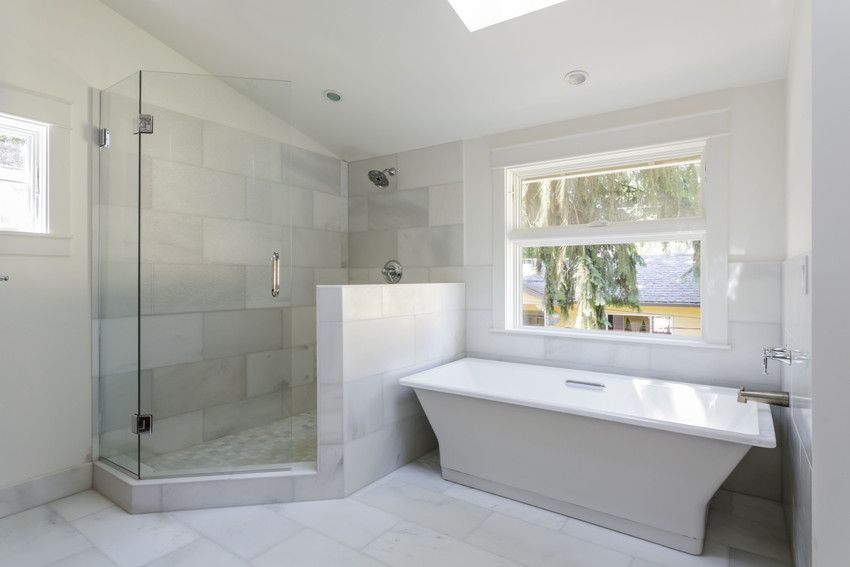
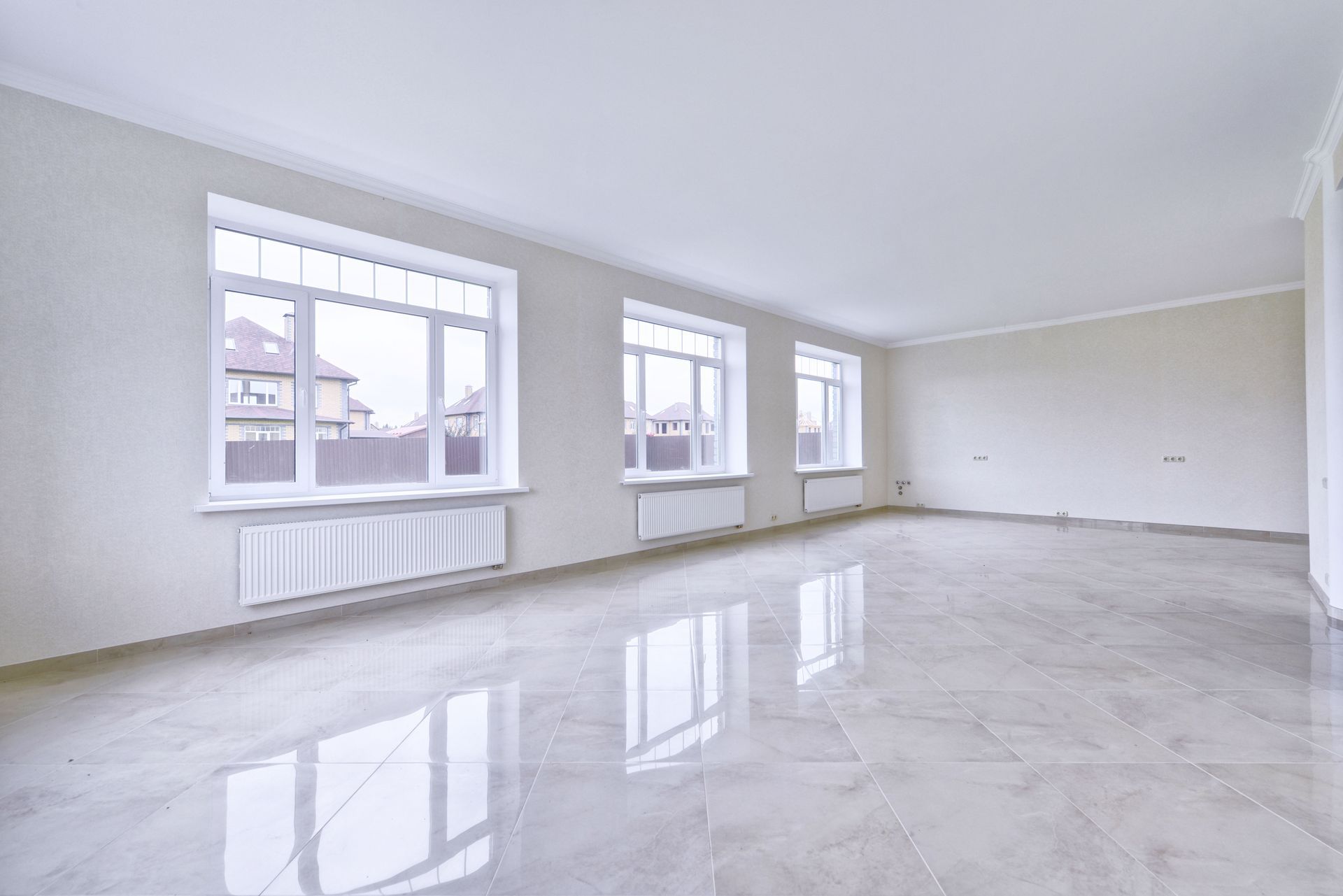
Porcelain tiles excel in diverse applications, indoors and outdoors. Outdoor patios, driveways, and dining areas benefit from their resistance to extreme temperatures, moisture, and fading. Indoor spaces, such as kitchens, bathrooms, and living rooms, gain both functional and aesthetic enhancements. Porcelain’s impervious nature ensures performance in high-moisture areas, while the vast design options allow for cohesive integration with other home elements, such as cabinetry, backsplashes, and accent walls.
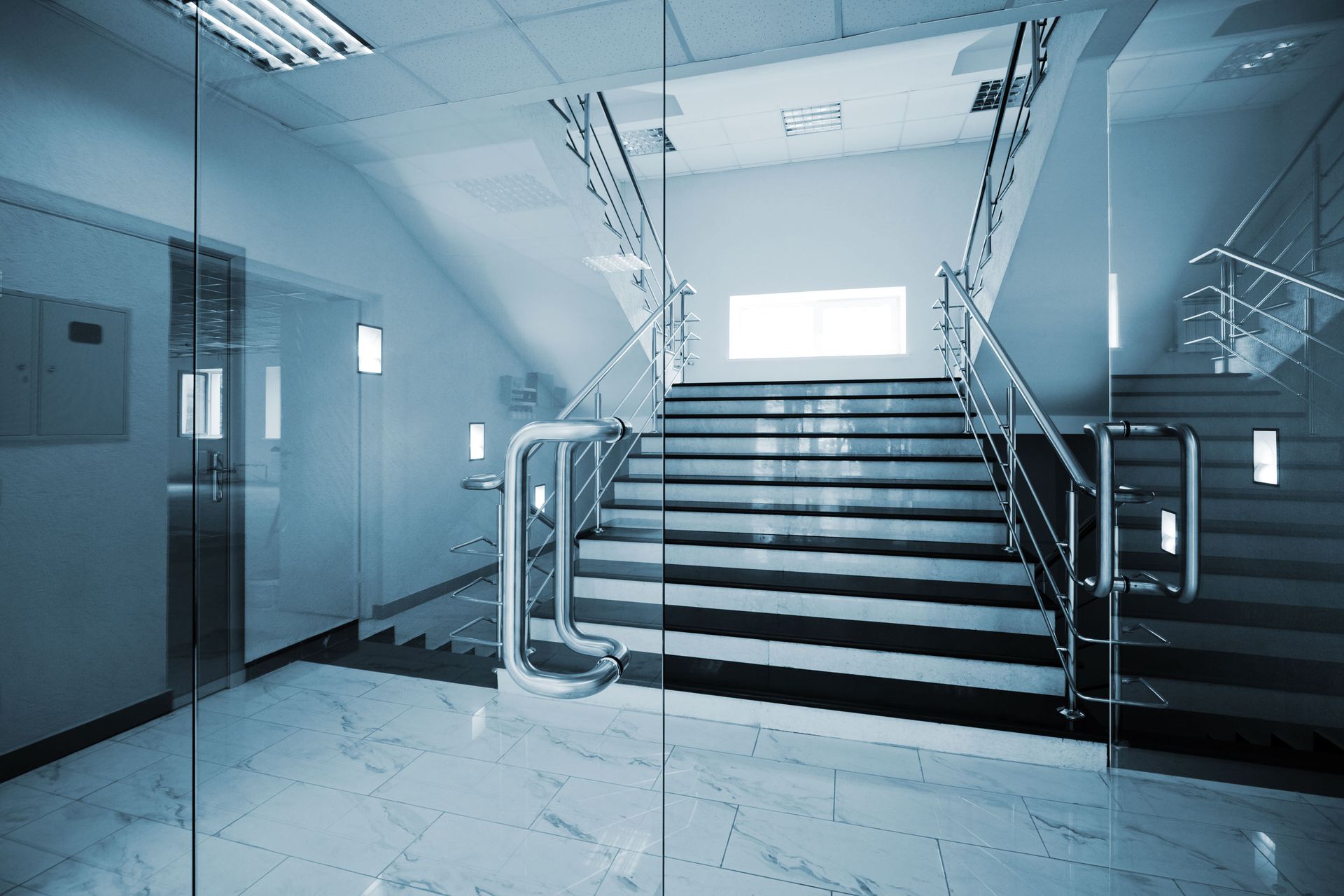
In commercial settings, porcelain tiles offer the dual advantage of sophistication and resilience. Retail stores, offices, and restaurants rely on their durability to withstand heavy foot traffic without sacrificing style. The sleek, polished appearance elevates the atmosphere of any space, while the low-maintenance qualities support operational efficiency.
7. Emphasize Sustainability and Environmental Benefits
Modern porcelain tile production increasingly incorporates sustainable practices. Manufacturers focus on minimizing waste, using recycled materials, and reducing energy consumption during firing. This approach supports environmentally conscious construction and design initiatives. Additionally, porcelain’s long lifespan reduces the need for frequent replacements, further lowering environmental impact.
The ability to replicate natural materials also reduces the demand for resources such as wood and stone, which often require extensive extraction and processing. By offering alternatives that maintain aesthetic value without overexploiting natural reserves, porcelain provides an eco-friendly solution. These sustainability aspects align with growing preferences for environmentally responsible design choices in both residential and commercial projects.
8. Maximize Functionality Through Strategic Installation
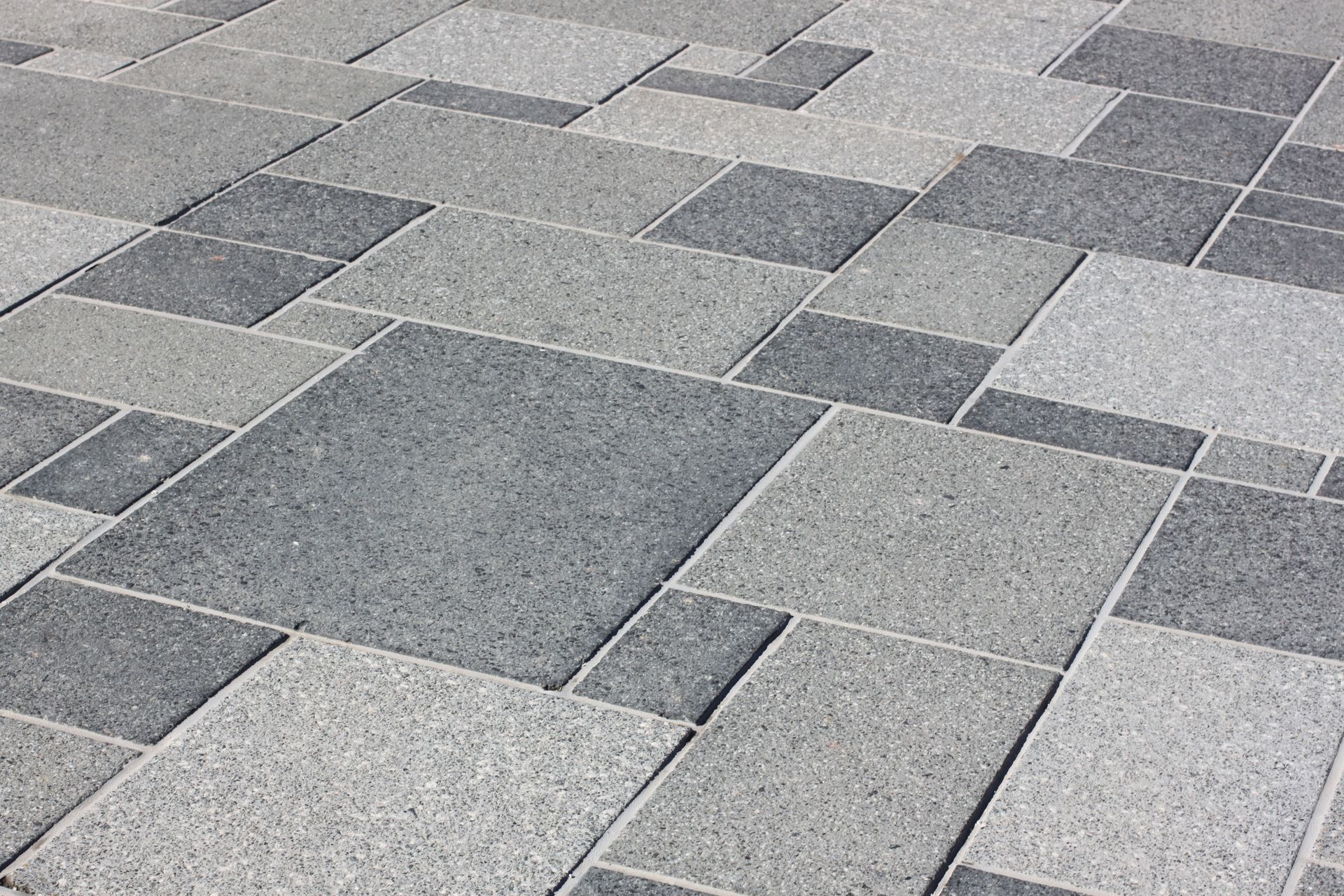
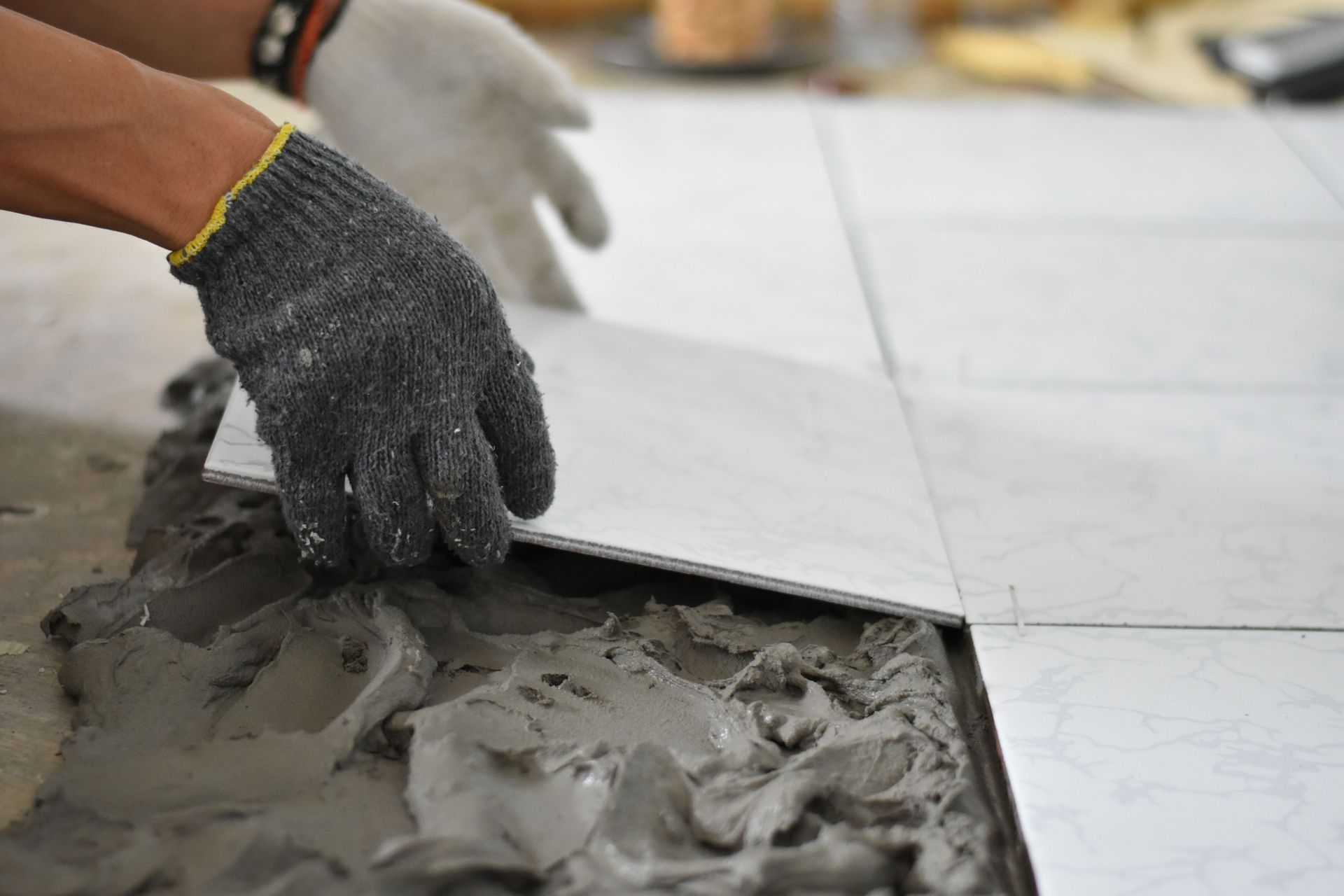
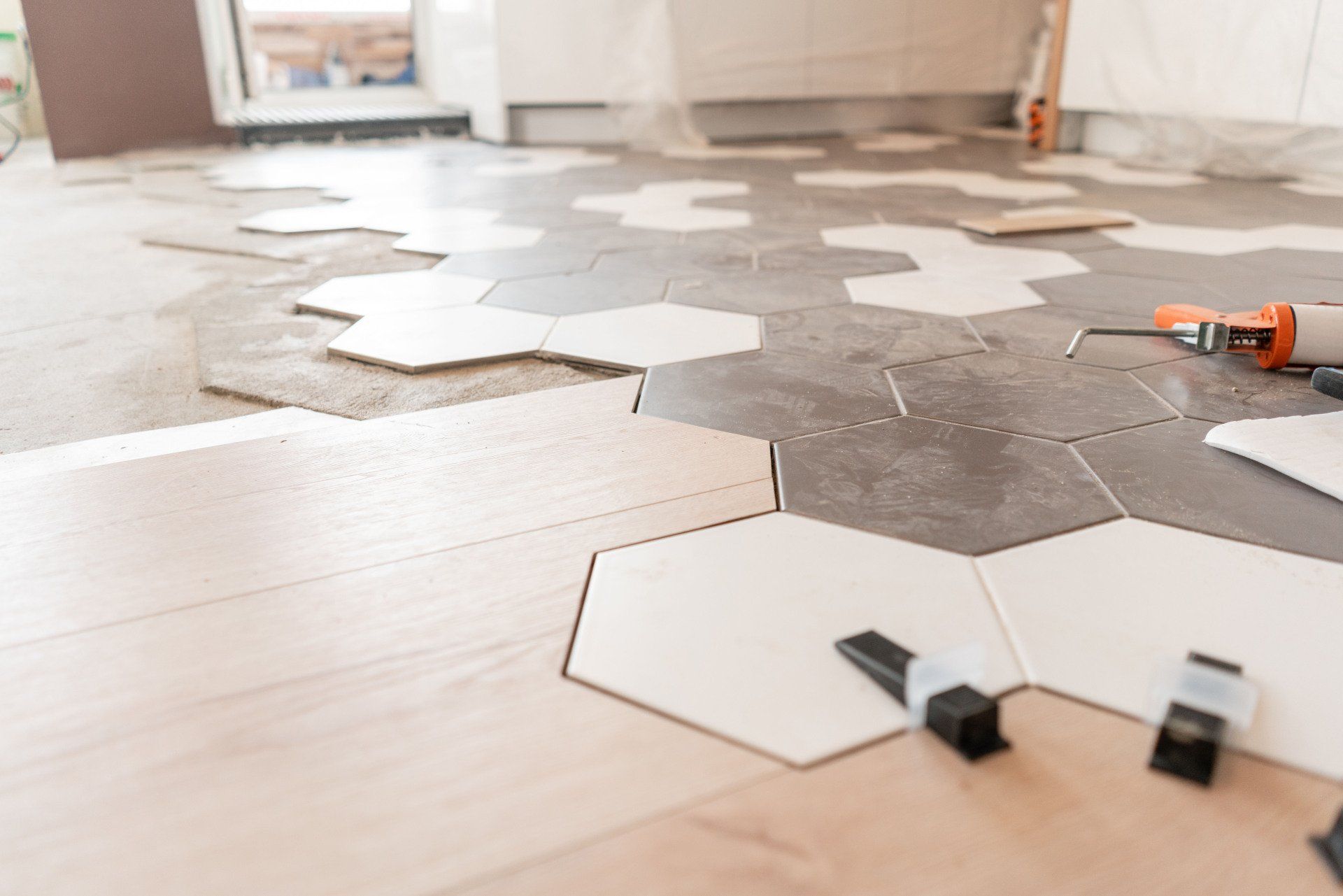
Strategic installation enhances both the beauty and performance of porcelain floor tiles. Proper layout planning, grout selection, and finishing techniques ensure that the tiles achieve optimal durability and visual appeal. For example, using larger format tiles can create a sense of spaciousness, while smaller tiles allow for intricate patterns and customized designs. Grout color and finish can accentuate or subtly blend with the tile, enhancing the overall aesthetic while supporting long-term maintenance.
Attention to installation details is especially important in areas prone to moisture, such as bathrooms or outdoor living spaces. By aligning tiles correctly and sealing edges where necessary, we ensure the longevity and resilience of the flooring. Whether for indoor kitchens and living rooms or outdoor patios and driveways, proper installation maximizes the functional benefits of porcelain tiles, safeguarding both investment and design integrity.
Porcelain tiles remain a preferred choice for their unmatched combination of beauty, practicality, and adaptability. With options ranging from classic to contemporary, these tiles continue to elevate spaces across residential and commercial applications. Their rich history, advanced manufacturing processes, and design versatility make them a material of choice for discerning clients seeking quality and style. With over 50 years of experience in Evansville, IN, we know that investing in porcelain tiles provides lasting value and aesthetic impact. For personalized consultations, custom designs, and professional installation of floor tiles, including porcelain, ceramic, marble, and stone, contact Unique Tile & Marble today.
Share On: